
RESOURCE APPENDIX
RESOURCE APPENDIX for Mental Daylight:
MATERIALS, SOURCES, LINKS, AND CITATIONS

Chapter 1
Khodadadi, H.; Salles, E.L. et al. (2021) National Institute of Health, National Library of Medicine. “Inhalant Cannabidiol Inhibits Glioblastoma Progression Through Regulation of Tumor Microenvironment” (https://pubmed.ncbi.nlm.nih.gov/34918964/)

Likar, R.; Koestenberger, M. et al. (2021) National Institute of Health, National Library of Medicine. “Cannabidiol Μay Prolong Survival in Patients with Glioblastoma Multiforme” (https://pmc.ncbi.nlm.nih.gov/articles/PMC8962767/)

Kiriyakou, I; Yarandi, N; Polycarpou,E. (2021) National Institute of Health, National Library of Medicine. “Efficacy of Cannabinoids Against Glioblastoma Multiforme: A Systematic Review”(https://pubmed.ncbi.nlm.nih.gov/33812759/)

Lah, T.T.; Majc, M. et al. (2022) National Institute of Health, National Library of Medicine. “The Cytotoxic Effects of Cannabidiol and Cannabigerol on Glioblastoma Stem Cells May Mostly Involve GPR55 and TRPV1 Signalling” (https://pmc.ncbi.nlm.nih.gov/articles/PMC9738061/)

Peeri, H.; Shalev, N. et al (2021) National Institute of Health, National Library of Medicine. “Specific Compositions of Cannabis sativa Compounds Have Cytotoxic Activity and Inhibit Motility and Colony Formation of Human Glioblastoma Cells In Vitro” (https://pmc.ncbi.nlm.nih.gov/articles/PMC8038598/)

Pagano, C.; Navarra, G. et al.(2021) National Institute of Health, National Library of Medicine. “Molecular Mechanism of Cannabinoids in Cancer Progression” (https://pmc.ncbi.nlm.nih.gov/articles/PMC8037087/)

Malanca, J. (2014) “THC, THCA, CBD, CBC, CBN: Medical Marijuana Composition, The Chemicals in Cannabis” (https://unitedpatientsgroup.com/blog/thc-thca-cbd-cbn-the-chemicals-in-cannabis/)

Guzman, M. (2003) “Cannabinoids: Potential Anti-Cancer Agents” (https://www.nature.com/articles/nrc1188)

Andre, R.; Gomez, A.P. et al (2017) National Institute of Health, National Library of Medicine. “The Entourage Effect in Cannabis Medicinal Products: A Comprehensive Review” (https://pmc.ncbi.nlm.nih.gov/articles/PMC11870048/)

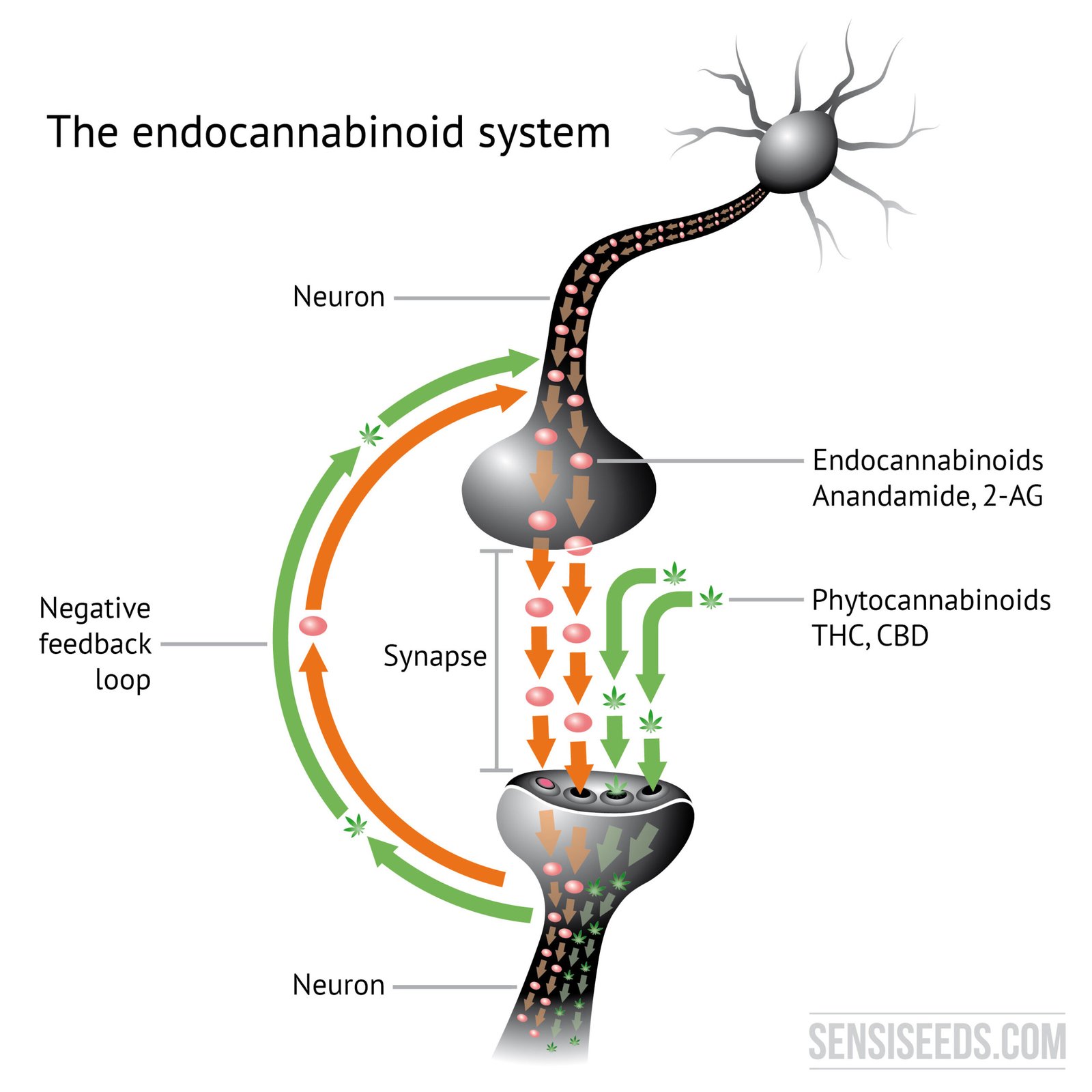
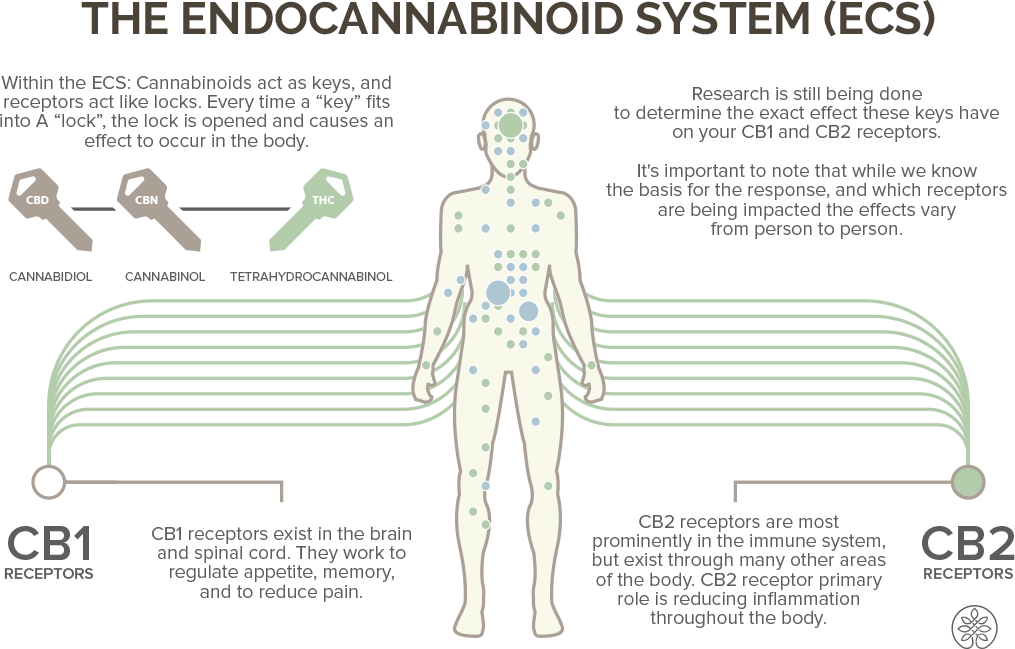
Liu, H.C.; Mackie, Ken et al (2017) National Institute of Health, National Library of Medicine. “An Introduction to the Endogenous Cannabinoid System (ECS)” (https://pmc.ncbi.nlm.nih.gov/articles/PMC4789136/)

Ligresti, A.; Moriello, A.S. et al (2006) National Institute of Health, National Library of Medicine. “Antitumor Activity of Plant Cannabinoids with Emphasis on the Effect of Cannabidiol on Human Breast Carcinoma” (https://pubmed.ncbi.nlm.nih.gov/16728591/)

Shrivastava, A.; Kuzontkoski, P.M.; Groopman, J.E.; Prasad, A. (2011) National Institute of Health, National Library of Medicine. “Cannabidiol Induces Programmed Cell Death by Coordinating the Cross-talk Between Apoptosis and Autophagy” (https://pubmed.ncbi.nlm.nih.gov/21566064/)

Chapter 4
Guzmán, M., Duarte, M. J., Blázquez, C., et al. (2014). “A Pilot Clinical Study of Delta9-tetrahydrocannabinol in Patients with Recurrent Glioblastoma Multiforme.” British Journal of Cancer, 95(2), 197-203. (https://www.nature.com/articles/6603236 )

Katzke, V., Kaaks, R., Kühn, T. (2015). “Lifestyle and Cancer Risk.” The Cancer Journal. (https://journals.lww.com/journalppo/Abstract/2015/03000/Lifestyle_and_Cancer_Risk.9.aspx)

Goldsby, T. L., Goldsby, M. E., McWalters, M., and Mills, P. J. (2017). “Effects of Singing Bowl Sound Meditation on Mood, Tension, and Well-being: An Observational Study.” Journal of Evidence-Based Complementary and Alternative Medicine, 22(3), 401-406. (https://journals.sagepub.com/doi/10.1177/2156587216668109)

Wahls, T. L., et al. (2017). “A Multimodal Intervention for Patients with Secondary Progressive Multiple Sclerosis: Feasibility and Effect on Fatigue.” The Lancet Neurology, 16(3), 229-238. (https://pmc.ncbi.nlm.nih.gov/articles/PMC4011484/)

Turner, K. A. (2014). Radical Remission: Surviving Cancer Against All Odds. HarperOne. (https://www.harpercollins.com/products/radical-remission-kelly-a-turner?variant=32206244904994)

Zhang, W.,Yijuan,Z. et al. (2022). “Efficacy of Traditional Chinese Medicine Combined with Chemotherapy in the Treatment of Gastric Cancer: A Meta-analysis.” Computational and Mathematical Methods in Medicine. (https://www.researchgate.net/publication/362497039_Efficacy_of_Traditional_Chinese_Medicine_Combined_with_Chemotherapy_in_the_Treatment_of_Gastric_Cancer_A_Meta-analysis)

McCulloch, M., et al. (2006). “Astragalus-based Chinese Herbs and Survival in Cancer Patients: A Systematic Review.”Cancer Management and Research.(https://pubmed.ncbi.nlm.nih.gov/16421421/)

Aggarwal, B. B., et al. (2007). “Curcumin: the Indian Solid Gold.” Experimental Therapeutics. (https://mdanderson.elsevierpure.com/en/publications/curcumin-the-indian-solid-gold/)

Prajapati, S.; Acharya, R. et al (2015).“Vijaya (Cannabis sativa Linn. ) and its Therapeutic Importance in Ayurveda; a Review” Journal of Drug Research in Ayurvedic Sciences.
(https://www.researchgate.net/publication/282317397_Vijaya_Cannabis_sativa_Linn_and_its_therapeutic_importance_in_Ayurveda_a_review)

Izevbigie, E. B. (2003). “Discovery of Water-Soluble Anticancer Agents (Edotides) from a Vegetable Found in West Africa.” Experimental Biology and Medicine, Volume 228 Issue 3.
(https://journals.sagepub.com/doi/10.1177/153537020322800308)

Chinkwo, K. A. (2005). “Sutherlandia Frutescens Extracts Can Induce Apoptosis in Cultured Carcinoma Cells.” Journal of Ethnopharmacology (https://www.semanticscholar.org/paper/Sutherlandia-frutescens-extracts-can-induce-in-Chinkwo/29a4710bf6cad5b5440677dc90ffa3296ce80fd1)

The Book of Chuang Tzu: Zhuangzi (4th Century B.C.) {Numerous translations} (https://archive.org/details/thebookofchuangtzu_202002)

Zhuangzi: The Complete Writings (4th Century B.C.) {Numerous translations}(https://dn721800.ca.archive.org/0/items/daoist-scriptures-collection-english-translations/The%20Complete%20Works%20of%20Zhuangzi%20-%20Burton%20Watson%20%28Translator%29.pdf)

Teachings of The Buddha (1996) Edited by Jack Kornfield with Gil Fronsdal. Shambhala Publications. (https://archive.org/details/teachingsofbuddh0000unse_n5f5)

Lad, Vasant Dr. (1984) Ayurveda: The Science of Self-Healing. Lotus Press. (https://archive.org/details/ayurvedascienceo00ladv)

Tirtha, Swami Sada Shiva (1998). The Ayurveda Encyclopedia. Ayurveda Holistic Center Press.(https://archive.org/details/ayurveda-encyclopedia-swami-sadashiva-tirtha-r.-c.-uniyal)

Carr, Kris (2007) Crazy Sexy Cancer Tips. Skirt. (https://archive.org/details/crazysexycancert00carr)

Gaynor, Dr. Mitchell. (2002) The Healing Power of Sound. Shambhala Publications.(https://openlibrary.org/books/OL8697745M/The_Healing_Power_of_Sound)

Goldsby, Goldsby, and McWalters. (2016). “Music and Mood: Effects of Singing Bowl Sound Meditation on Mood, Tension, and Well-being: An Observational Study.” Journal of Evidence-Based Integrative Medicine (https://pmc.ncbi.nlm.nih.gov/articles/PMC5871151/)

“https://acslab.com/cannabinoids"

“https://growdiaries.com/journal/everything-you-need-to-know-about-full-extract-cannabis-oil"

Shah, S.A., et al. (2007). “Echinacea for Preventing and Treating the Common Cold.” Lancet Infect Dis, 7(7), 473-480. (https://www.thelancet.com/journals/laninf/article/PIIS1473-3099(07)70160-3/fulltext)

Shara, M., and Stohs, S.J. (2015). “Efficacy and Safety of White Willow Bark (Salix alba) Extracts.” Phytotherapy Research, 29(8), 1112-1116. (https://d.docksci.com/efficacy-and-safety-of-white-willow-bark-salix-alba-extracts_5a485f74d64ab2479cdfe223.html)

Oberlies, N.H., et al. (1995). “Annonaceous Acetogenins as Selectively Toxic Agents to Tumor Cells.” Journal of Natural Products, 58(7), 948-958. (https://www.scirp.org/reference/referencespapers?referenceid=1225969)

Kuti, J.O., and Torres, E.S. (1996). “Potential Nutritional and Health Benefits of Tree Spinach.” Plant Foods for Human Nutrition, 49(3), 231-238. (https://www.echocommunity.org/resources/27acea17-2b37-442b-8a7e-b180eeb6e9db)

Labate, B.C., and Cavnar, C. (2014). The Therapeutic Use of Ayahuasca. Springer. (https://www.researchgate.net/publication/286168364_Ayahuasca_and_the_Treatment_of_Drug_Addiction)

Arado,G., et al. (2024). “Anti-inflammatory and/or immunomodulatory activities of Uncaria tomentosa (cat’s claw) extracts: A systematic review and meta-analysis of in vivo studies, 75(2-3), 141-146. (https://www.frontiersin.org/journals/pharmacology/articles/10.3389/fphar.2024.1378408/full)

Gonzales, G.F., et al. (2001). “Effect of Lepidium meyenii (maca) on Sexual Desire and Its Absent Relationship with Serum Testosterone Levels in Adult Healthy Men.” NIH, Nat'l Library of Medicine. (https://pubmed.ncbi.nlm.nih.gov/12472620/)

Kimmerer, R.W. (2013). Braiding Sweetgrass. Milkweed Editions. (https://archive.org/details/braidingsweetgra0000kimm)

Cowan, E. (2014). Plant Spirit Medicine. Sounds True. (https://eliotcowan.com/plant-spirit-medicine/)

Chapter 5
Liu, M., Chen, Z., Wang, J., and Wu, M. (2021). “The Effects of Mind–Body Exercises (Tai Chi/Yoga/Qigong) on Inflammatory Biomarkers: A Systematic Review and Meta-Analysis.” Frontiers in Psychiatry, 12, 650581 (https://doi.org/10.3389/fpsyt.2021.650581)

Kaliman, P., Álvarez-López, M. J., Cosín-Tomás, M., Rosenkranz, M. A., Lutz, A., and Davidson, R. J. (2014). “Rapid Changes in Histone Deacetylases and Inflammatory Gene Expression in Expert Meditators.” Psychoneuroendocrinology, 40, 96–107. (https://doi.org/10.1016/j.psyneuen.2013.11.004)

Gordon, B. R., McDowell, C. P., Hallgren, M., Meyer, J. D., Lyons, M., Herring, M. P. (2018). “Association of Efficacy of Resistance Exercise Training With Depressive Symptoms: Meta-analysis and Meta-regression Analysis of Randomized Clinical Trials.” Frontiers in Psychology, 9, 2040. (https://doi.org/10.3389/fpsyg.2018.02040)

Tang, S. W., Chu, E., Hui, T., Helmeste, D., Law, C. (2008). “Influence of Exercise on Serum Brain-derived Neurotrophic Factor Concentrations in Healthy Human Subjects.” Neuroscience Letters, 431(1), 62–65. (https://doi.org/10.1016/j.neulet.2007.11.019)

Chapter 6
Shum, L. (1985, Reprinted 2023). Wu Style Tai Chi Chuan Gah Gee. William Hohauser Productions. (https://www.yingjowpai.com/ying-jow-pai-store/)

Chapter 7
Reid, J. S. (2009). “Cymatics: Bringing Matter to Life with Sound.” Water Journal, Issue 1.(https://searching4truth33.blogspot.com/2009/10/cymatics-bringing-matter-to-life-with.html)
[Also referencing Hans Jenny’s foundational work: Jenny, H. (2001). Cymatics: A Study of Wave Phenomena and Vibration. MACROmedia Press. (Original work published in 1967/1974)](https://www.scribd.com/document/26027065/Jenny-Cymatics-A-Study-of-Wave-Phenomena-and-Vibration-Volume-1-1967)

Kumeta, M., Nakano, M., Takahashi, K. I., and Ito, K. (2018). “Low-frequency Mechanical Vibration Enhances the Migration of Fibroblast Cells.” Scientific Reports, 8, 11941. (https://doi.org/10.1038/s41598-018-30487-x)

Holland, A. (2013). “Shattering Cancer with Resonant Frequencies.” [TEDx Talk]. (https://www.youtube.com/watch?v=1w0_kazbb_U)

Crnogorac-Jurcevic, T., and Holland, A. (2016). “Oscillating Pulsed Electric Fields (OPEF) and Their Effects On Cancer Cells.” Integrative Cancer Therapies, 15(2), 195-203. (https://doi.org/10.1177/1534735415619682)

Huang, C., Yuan, Q., Zhao, X., et al. (2018). “Audible Sound Enhances Growth, Cell Metabolism, and Gene Expression of Yeast Cells.” Scientific Reports, 8, 7377. (https://doi.org/10.1038/s41598-018-25634-4)

McConnell, P. A., Froeliger, B., Garland, E. L., Ives, J. C., and Sforzo, G. A. (2014). “Auditory driving of the autonomic nervous system: listening to theta-frequency binaural beats post-exercise increases parasympathetic activation and sympathetic withdrawal.” Frontiers in Psychology. 5:1248.
(??https://doi: 10.3389/fpsyg.2014.01248)

Goldsby, T. L., Goldsby, M. E., McWalters, M., and Mills, P. J. (2017). “Effects of Singing Bowl Sound Meditation on Mood, Tension, and Well-being: An Observational Study.” Journal of Evidence-Based Complementary and Alternative Medicine, 22(3), 401-406. (https://doi.org/10.1177/2156587216668109)

Arom, S. (1991). African Polyphony and Polyrhythm: Musical Structure and Methodology. Cambridge University Press.(https://www.scribd.com/document/433695461/African-Polyphony-and-Polyrhythm-pdf)

Ingber, D. E. (2006). “Cellular Mechanotransduction: Putting All the Pieces Together Again.”
FASEB Journal, 20(7), 811–827. (https://doi.org/10.1096/fj.05-5424rev)

Jaalouk, D. E., and Lammerding, J. (2009). “Mechanotransduction gone awry.”
Nature Reviews Molecular Cell Biology, 10(1), 63–73. (https://doi.org/10.1038/nrm2597)

Wang, J. H.-C. (2017). Mechanobiology in Health and Disease.
Academic Press/Elsevier. (https://www.elsevier.com/books/mechanobiology-in-health-and-disease/wang/978-0-12-810482-0)

Butcher, D. T., Alliston, T., and Weaver, V. M. (2009). “A Tense Situation: Forcing Tumour Progression.”
Nature Reviews Cancer, 9(2), 108–122. (https://doi.org/10.1038/nrc2544)

Manners, P. G. (1974). “The Use of Cymatic Therapy in General Practice.” British Medical Journal (unpublished report; often cited in Cymatics literature).

Manners, Peter Guy (1986). "Cymatic SoundScapes: Bringing Matter to Life with Sound." Video (https://www.bitchute.com/video/UDFbAsi91YfJ/)

Pallaro, P., and Manners, P. G. (2012). “Cymatic Therapy: A Review.” Complementary Therapies in Clinical Practice, 18(2), 78-82. (https://doi.org/10.1016/j.ctcp.2011.09.001)

Cromwell, M. (2017). "Acoustic Meridian Intelligence (AMI) Devices in Integrative Medicine: Clinical Trials and Outcomes.” Proceedings of the World Research Foundation Conference. AMI 750 Device. U.S. Food and Drug Administration.

Cromwell, M. (2023). "Sound as Medicine: Mandara Cromwell's Journey to Harnessing Healing Frequencies" (https://rss.com/podcasts/on-the-verge-oxford-university/1149230/)

Xu, Zhen, et al. (2021). "Histotripsy: the first noninvasive, non-ionizing, non-thermal ablation technique based on ultrasound.” The International Journal of Hyperthermia (https://pmc.ncbi.nlm.nih.gov/articles/PMC9404673/)

Therapeutic Ultrasound: 5th International Symposium, ISTU 2005, Boston, MA, USA, September 17-20, 2005. Proceedings. (https://catalog.libraries.psu.edu/catalog/3406278)

Rosnitskiy, P.B.; Maxwell, Adam D., et al. (2023). "Histotripsy for Noninvasive Tissue Ablation Using Ultrasound."
(https://www.sciencedirect.com/science/article/abs/pii/S0041624X23001051)

Elfatairy, Kareem (2022). "First-In-Human Histotripsy Trial for Liver Tumor Treatment: The New Echo Superpower."
Radiol Imaging Cancer.(https://pubs.rsna.org/doi/10.1148/rycan.229026)

"First in Human Liver Tumor Treatment Using Histotripsy: A Phase I Clinical Trial."
Clinical trial identifier: NCT04572633 (https://clinicaltrials.gov/study/NCT04572633)

Vlaisavljevich, Eli, et al. (2025). "Development of Histotripsy as a Local-Regional Liver Cancer Therapy: Preclinical to Clinical Translation." Radiol Imaging Cancer,(https://pmc.ncbi.nlm.nih.gov/articles/PMC12304532/)

Xu, Zhen, et al. (2024). "Histotripsy: A Method for Mechanical Tissue Ablation with Ultrasound."
Annual Review of Biomedical Engineering, 18, 177-196. Annual Reviews.(https://www.annualreviews.org/content/journals/10.1146/annurev-bioeng-073123-022334)

"FDA Paves Way for New Liver Tumor Treatment with Histotripsy.” (2024)
The Neuroendocrine Tumor Research Foundation (NETRF). (https://netrf.org/2024/02/13/fda-paves-way-for-new-liver-tumor-treatment-with-histotripsy/)

Rui, Li et al. (2025). "Advances and innovations in ultrasound-based tumor management: current applications and emerging directions."
Springer Press Link. (https://link.springer.com/article/10.1186/s13089-025-00444-2?fromPaywallRec=true)

Wethered, Vernon (1957). An Introduction To Medical Radiesthesia and Radionics. The C.W. Daniel Company, Ltd.(https://dn710007.ca.archive.org/0/items/an-introduction-to-medical-radiesthesia-radionics-1997-vernon-wethered/An%20Introduction%20to%20Medical%20Radiesthesia%20%26%20Radionics%20%281997%29-Vernon%20Wethered.pdf)

Chapter 9
Guzmán, M. (2003). Cannabinoids: potential antitumoral agents. Nature Reviews Cancer, 3(10), 745-755. (https://doi.org/10.1038/nrc1188)

McAllister, S. D., Murase, R., Christian, R. T., Lau, D., Zielinski, A. J., Allison, J., ... and Desprez, P. Y. (2011). “Pathways Mediating the Effects of Cannabidiol on the Reduction of Breast Cancer Cell Proliferation, Invasion, and Metastasis.” Molecular Cancer Therapeutics, 10(7), 1161-1172. (https://doi.org/10.1158/1535-7163.MCT-11-0008)

Salazar, M., Carracedo, A., Salanueva, I. J., Hernández-Tiedra, S., Egia, A., Lorente, M., ... and Guzmán, M. (2009). “Cannabinoid Action Induces Autophagy-mediated Cell Death Through Stimulation of ER Stress in Human Glioma Cells.” The Journal of Clinical Investigation, 119(5), 1359-1372. (https://doi.org/10.1172/JCI37948)

Blázquez, C., González-Feria, L., Alvarez, L., Haro, A., Casanova, M. L., and Guzmán, M. (2004). “Cannabinoids Inhibit the Vascular Endothelial Growth Factor Pathway in Gliomas.” Cancer Research, 64(16), 5617-5623. (https://doi.org/10.1158/0008-5472.CAN-04-0777)

Nagarkatti, P., Pandey, R., Rieder, S. A., Hegde, V. L., and Nagarkatti, M. (2009). “Cannabinoids As Novel Anti-inflammatory Drugs.” Future Medicinal Chemistry, 1(7), 1333-1349. (https://doi.org/10.4155/fmc.09.93)

Borrelli, F., Fasolino, I., Romano, B., Capasso, R., Maiello, F., Coppola, D., ... and Izzo, A. A. (2014). “Beneficial Effect of the Non-psychotropic Plant Cannabinoid Cannabigerol on Experimental Inflammatory Bowel Disease.” Biochemical Pharmacology, 87(3), 409-417. (https://doi.org/10.1016/j.bcp.2013.10.010)

Guzmán, M., Duarte, M. J., Blázquez, C., Ravina, J., Rosa, M. C., Galve-Roperh, I., ... and Velasco, G. (2006). “A Pilot Clinical Study of Δ9-tetrahydrocannabinol in Patients with Recurrent Glioblastoma Multiforme.” British Journal of Cancer, 95(2), 197-203. (https://doi.org/10.1038/sj.bjc.6603236)

Cortez, Ricardo. (2005). It’s Just a Plant: A Children’s Story About Marijuana. Magic Propaganda Mill. (https://www.rmcortes.com/books/its-just-a-plant)

U.S. Patent No. 6,630,507. (2003). “Cannabinoids as Antioxidants and Neuroprotectants.” (https://patents.google.com/patent/US6630507B1/en)

Bradford, A. C., and Bradford, W. D. (2016). “Medical Marijuana Laws Reduce Prescription Medication Use In Medicare Part D.” Health Affairs, 35(7), 1230-1236. (https://doi.org/10.1377/hlthaff.2015.1661)

Chapter 16
“What is Quantum Biofeedback and How Can It Help Me?” (https://energetichealingandwellness.com/quantum-biofeedback/)

“The SCIO Universal Electrophysiology Biofeedback System” (https://www.bioquantique.com)

Goldman, J.; Goldman, A. (2011). Chakra Frequencies, Tantra of Sound. Destiny Books. Chapter 17. (https://www.healingsounds.com/product/chakra-frequencies/)

Chapter 17
Zhang, Y., et al. (1992). “A Major Inducer of Anticarcinogenic Protective Enzymes from Broccoli.” The Proceedings of the National Academy of Sciences (PNAS) USA, 89(6), 2399-2403 (https://www.pnas.org/doi/10.1073/pnas.89.6.2399)

Rhode, J., et al. (2007). “Ginger Inhibits Cell Growth and Modulates Angiogenic Factors in Ovarian Cancer Cells.” BMC Complementary and Alternative Medicine. (https://pubmed.ncbi.nlm.nih.gov/18096028/)

Seeram, N.P., et al. (2006). “Pomegranate Juice Ellagitannin Metabolites Are Present in Human Plasma and Some Persist in Urine for Up to 48 Hours.” Journal of Nutrition. (https://jn.nutrition.org/article/S0022-3166(22)08465-6/fulltext)

Oberlies, N.H., et al. (1995). “Tumor cell growth inhibition by several Annonaceous acetogenins in an in vitro disk diffusion assay.” Cancer Letters, Volume 96, Issue 1, 4 September 1995, Pages 55-62.(https://www.sciencedirect.com/science/article/abs/pii/0304383595927597?via%3Dihub)

Gao, Y., et al. (2003). “Effects of Ganopoly (a Ganoderma lucidum polysaccharide extract) on the Immune Functions in Advanced-stage Cancer Patients.” Immunological Investigations
A Journal of Molecular and Cellular Immunology, Volume 32, 2003 - Issue 3 .(https://www.tandfonline.com/doi/full/10.1081/IMM-120022979)

Aune, D., et al. (2016). “Nut Consumption and Risk of Cardiovascular Disease, Total Cancer, All-cause and Cause-Specific Mortality: a Systematic Review and Dose-response Meta-analysis of Prospective Studies.” BMC Medicine, 14, 207. (https://doi.org/10.1186/s12916-016-0730-3)

Yun, T.K., et al. (2001). “Brief introduction of Panax Ginseng.” C.A. Meyer. Journal of Korean Medical Science 34(1), 1-6. (https://docslib.org/doc/6961203/brief-introduction-of-panax-ginseng-c-a-meyer)

Aggarwal, B.B., et al. (2007). “Curcumin: the Indian solid Gold.”  Adv Exp Med Biol. 2007:595:1-75.(https://pubmed.ncbi.nlm.nih.gov/17569205/)

Johnson, R.J., et al. (2007). “Potential Role of Sugar (fructose) in the Epidemic of Hypertension, Obesity and the Metabolic Syndrome, Diabetes, Kidney Disease, and Cardiovascular Disease.” The American Journal of Clinical Nutrition, 86(4), 899-906.(https://ajcn.nutrition.org/article/S0002-9165(23)13505-2/fulltext)

Baan, R., et al. (2007). “Carcinogenicity of Alcoholic Beverages.” Lancet Oncology, 8(4), 292-293. (https://www.thelancet.com/journals/lanonc/article/PIIS1470-2045(07)70099-2/abstract)

Tantamango-Bartley, Y., et al. (2013). “Vegetarian diets and the Incidence of Cancer in a Low-risk Population.” Cancer Epidemiol Biomarkers Prev., 22(2), 286-294.(https://aacrjournals.org/cebp/article/22/2/286/69548/Vegetarian-Diets-and-the-Incidence-of-Cancer-in-a)

Gonzalez, C.A., and Riboli, E. (2010). “Diet and Cancer Prevention: Contributions from the European Prospective Investigation into Cancer and Nutrition (EPIC) study.”European Journal of Cancer,Volume 46, Issue 14, September 2010, Pages 2555-2562. (https://www.sciencedirect.com/science/article/abs/pii/S0959804910007033)

Mohd, T., Nurdiana, J., Kamarudin, A. (2024). “Effect of Annona muricata (Soursop) on Patients with Cancer: A Systematic Review” Malaysian Journal of Pharmacy.
(https://mjpharm.org/effect-of-annona-muricata-soursop-on-patients-with-cancer-a-systematic-review/)

Hasan, A.E.Z.; Julistiano, H. et al. (2022) National Institute of Health, National Library of Medicine. “Soursop leaves (Annona muricata L.) Endophytic Fungi Anticancer Activity Against HeLa Cells.” (https://pubmed.ncbi.nlm.nih.gov/35813114/)

Chapter 18
Lambert, G.W., Reid, C., Kaye, D.M., Jennings, G.L., Esler, M.D. (2002). “Effect of Sunlight and Season on Serotonin Turnover in the Brain.” The Lancet, 360(9348), 1840-1842.(https://www.thelancet.com/journals/lancet/article/PIIS0140-6736(02)11737-5/abstract)

Chevalier, G., Sinatra, S. T., Oschman, J. L., Sokal, K., and Sokal, P. (2012). "Earthing: Health Implications of Reconnecting the Human Body to the Earth’s Surface Electrons."
Journal of Environmental and Public Health, 2012, 291541.
(https://doi.org/10.1155/2012/291541)

Oschman, J. L., Chevalier, G., and Brown, R. (2014).
"The Effects of Grounding (Earthing) on Inflammation, the Immune Response, Wound Healing, and Prevention and Treatment of Chronic Inflammatory and Autoimmune Diseases."
Journal of Inflammation Research, 8, 83–96.
(https://www.dovepress.com/the-effects-of-grounding-earthing-on-inflammation-the-immune-response--peer-reviewed-fulltext-article-JIR)

Ober, C., Sinatra, S. T., and Zucker, M. (2014).
Earthing: The Most Important Health Discovery Ever! Basic Health Publications.

(https://archive.org/details/earthingmostimpo0000ober/page/n9/mode/2up)

Manek, Hira Ratan (HRM). (2002).
Living on Sunlight: The Practice of Sun Gazing. (Self-published)
(https://sunlightenment.com/living-on-sunlight-the-art-and-science-of-sun-gazing-ebook/)

Krishna, Paramahansa Yogananda. (1946, Reprinted in 2005). Autobiography of a Yogi. Self-Realization Fellowship
.(https://archive.org/details/autobiographyof00yoga)

Lambert, G. W., Reid, C., Kaye, D. M., Jennings, G. L., Esler, M. D. (2002)."Effect of sunlight and season on serotonin turnover in the brain.” The Lancet, 360(9348), 1840-1842.
 (https://www.thelancet.com/journals/lancet/article/PIIS0140-6736(02)11737-5/abstract)

Chia, Mantak. (2006).
Iron Shirt Chi Kung II: Martial Arts Root Power Comes from Internal Structure. Universal Tao Publications.(https://www.simonandschuster.com/books/Iron-Shirt-Chi-Kung/Mantak-Chia/9781594771040)

The Rig Veda (India, c. 1500 BCE):
Contains hymns to Surya, the sun deity, describing sun salutations and the spiritual role of sunlight.
 Ralph T.H. Griffith, Translator
[1896].(https://sacred-texts.com/hin/rigveda/index.htm)

The Egyptian Book of the Dead (Egypt, c. 1550 BCE)
Rituals and prayers to Ra, the sun god, often accompanied by morning facing of the sun. Translation & Commentary by Sir P. LE PAGE RENOUF, Knt. & Prof. E. NAVILLE, D.C.L (1904).(https://www.gutenberg.org/files/69566/69566-h/69566-h.htm)

Dr. Sebi Alkaline Foods (https://sebiguide.com/food-list/)

“What to Eat in a Day on Dr. Sebi’s Alkaline Diet” (https://drsebiscellfood.com/blogs/journal/what-to-eat-in-a-day-dr-sebi-alkaline-diet)

Koslo, J. (2016) The Alkaline Diet for Beginners: Understand pH, Eat Well, and Reclaim Your Health. Callisto Publishing. (https://zlib.pub/book/the-alkaline-diet-for-beginners-understand-ph-eat-well-and-reclaim-your-health-4mdk5h761ba0)

Chapter 27
Kruizinga, Hendrick (2018) Your 5 Brainwaves: Delta, Theta, Alpha, Beta and Gamma (co-founder of now-defunct cognitive enhancement website “lucid.me")

Petrucelli,K.; Davis,J.;Berman,T. (2019) National Institute of Health, National Library of Medicine. “Adverse Childhood Experiences and Associated Health Outcomes: A Systematic Review and Meta-analysis.” (https://pubmed.ncbi.nlm.nih.gov/31454589/)

Van Der Kolk, Besel. (2014) The Body Keeps the Score: Brain, Mind, and Body in the Healing of Trauma. Penguin Random House.(https://www.penguinrandomhouse.com/books/313183/the-body-keeps-the-score-by-bessel-van-der-kolk-md/)

Niles, A.; Haltom,K.; (2013) National Institute of Health, National Library of Medicine. “Effects of Expressive Writing on Psychological and Physical Health: The Moderating Role of Emotional Expressivity” (https://pmc.ncbi.nlm.nih.gov/articles/PMC3830620/)

Levy, R.A.; Ablon, J.S. (2010). “Talk Therapy: Off the Couch and Into the Lab.” Scientific American (https://www.scientificamerican.com/article/talk-therapy-off-couch-into-lab/)

Chapter 28
Hróbjartsson, A.; Gøtzsche,P.C. (2001) “Is the Placebo Powerless? — An Analysis of Clinical Trials Comparing Placebo with No Treatment.” The New England Journal of Medicine (https://www.nejm.org/doi/full/10.1056/NEJM200105243442106)

Goyal, M.; Singh,S.; Sibinga,E.M.S.(2014). “Meditation Programs for Psychological Stress and Well-being: A Systematic Review and Meta-analysis.” JAMA Internal Medicine (https://jamanetwork.com/journals/jamainternalmedicine/fullarticle/1809754)

Danhauer,S.C.; Addington, E.L. et al (2019)National Institute of Health, National Library of Medicine. “Yoga for Symptom Management in Oncology: A Review of the Evidence Base and Future Directions for Research”(https://pmc.ncbi.nlm.nih.gov/articles/PMC6541520/)

Vickers,A.J.; Cassileth,B.R. (2001) “Unconventional therapies for cancer and cancer-related symptoms.” The Lancet Oncology (https://www.thelancet.com/journals/lanonc/article/PIIS1470-2045(00)00293-X/abstract)

Chapter 30
Guzmán, M., et al. (2006) “THC-Induced Apoptosis in Glioma Cells.” Cancer Research Journal, 66(13), 6615-6621. (https://doi.org/10.1158/0008-5472.CAN-06-0784)

Massi, P., Solinas, M., Cinquina, V., and Parolaro, D. (2013). “THC and CBD in Cancer Therapy: Mechanisms and Synergy.” British Journal of Pharmacology, 168(6), 1231–1241. (https://doi.org/10.1111/bph.12099)

Moreno, E., Cavic, M., Canela, E. I., and Lluís, C. (2021). “Comprehensive Review: Cannabinoids in Cancer Management.” Frontiers in Oncology, 11, 743249. (https://doi.org/10.3389/fonc.2021.743249)

National Cancer Institute (NCI). (2023). “Cannabis and Cannabinoids (PDQ®)–Patient Version.” (https://www.cancer.gov/about-cancer/treatment/cam/patient/cannabis-pdq)

Chapter 31
Dispenza, Joe Dr. (2017) Becoming Supernatural: How Common People Are Doing the Uncommon. Hay House, Inc. (https://davidhason.com/wp-content/uploads/2024/05/Becoming-Supernatural.pdf)

Helpful Websites and Links:
Low-cost MRI’s inside the USA w/no health insurance- “https://radiologyassist.com"

Free Stereo Recordings of Tibetan Singing Bowls for Every Sound Wave Frequency and Chakra- TEMPLE SOUNDS- “https://youtube.com/@templesounds?si=VI2y601Xsqe31USJ"

How to make Full Extract Cannabis Oil at Home:
"https://www.melanawellness.com" (Instagram: @melanawellness)
How to Make FECO —The Slow Lane Remedy— Guide to Full Extract Cannabis Oil- “https://www.youtube.com/watch?v=7uitiUypPHg"

Pre-Made Full Extract Cannabis Oil (sources):
EMPRESS EXTRACTS-“https://www.empressextracts.com/"
COLORADO CANNABIS COMPANY-“https://coloradocannabiscompany.com"
PROOF- “https://proofcannabis.com/home"
EMERALD BAY EXTRACTS- “https://www.emeraldbayextracts.com/"
Tai Chi classes (NYC)-
Shum’s Ying Jow Pai International Headquarters - https://www.yingjowpai.com/about-tai-chi-chuan/

Sound Healing/Soundbath sessions (NYC)-
https://ohmcenter.com/treatments

Traditional Chinese Medicine and Acupuncture (NYC)-
Dr. Wu, Yi Qiao
Phone: (212) 226-8106 (no website)

Theta Healing sessions (Hamburg, Germany & Worldwide)-
Rouven Will-“https://rouvenwill.com"
IG:@rouvenwill.love

Reduced Cost Natural Vitamins and Herbal Supplements-
“https://www.vitacost.com/”

ABOUT THE AUTHOR

Gordon Dane Clay is a longtime musician, dj, and music producer, professionally known as Nappy G, mostly known for his +30 year career in the NYC music/nightclub scene, but also living and working abroad in Hamburg for the past few years. Gordon’s musical, creative, and political life intersects with an International and wide swath of humanity. Gordon is now embarking on a new path as a Sound Healing practitioner, and permanent student of holistic practices. For music-related updates and expressions (plus some political observations), check out @therealnappyg on Instagram. For exclusively political and philosophical ideas, try @wordsfromG. For all subjects related to healing, wellness, and health, please visit the Instagram page:@mymentaldaylight.
NEW Info, Links, Research, & Citations
Here’s where we keep adding to the collective knowledge base. There’s new research & progress being made on so many fronts that we need to keep updating as it occurs. This is not a comprehensive list, but an ongoing attempt to cover the range of advances. Some of it is very recent and some of it I discovered after my healing, and after I published the book. But there’s always more to learn!
Cannabinoids in the Brain: New Vistas on an Old Dilemma
https://pmc.ncbi.nlm.nih.gov/articles/PMC4895042/
Multiple Functions of Endocannabinoid Signaling in the Brain. https://pmc.ncbi.nlm.nih.gov/articles/PMC4273654/
Isolation and structure of a brain constituent that binds to the cannabinoid receptor https://pubmed.ncbi.nlm.nih.gov/1470919/
Early phytocannabinoid chemistry to endocannabinoids and beyond https://pubmed.ncbi.nlm.nih.gov/1470919/
Metabolism of the Endocannabinoid Anandamide: Open Questions after 25 Years https://www.frontiersin.org/journals/molecular-neuroscience/articles/10.3389/fnmol.2017.00166/full
Cannabinoid receptor 2 (CB2) modulators: A patent review (2016–2024). https://www.sciencedirect.com/science/article/abs/pii/S0045206824006801
Process Development for GMP-Grade Full Extract Cannabis Oil: Towards Standardized Medicinal Use https://pmc.ncbi.nlm.nih.gov/articles/PMC12300620/
Endocannabinoids, Related Compounds and Their Metabolic Routes https://pmc.ncbi.nlm.nih.gov/articles/PMC6271436/
A Note About the Intention of the Resource Appendix
When I first set out on this journey—seeking answers, hope, and alternatives that might offer me a fighting chance against my diagnosis—I found myself in a vast, uncertain wilderness. There was no clear roadmap, no patient’s guide, no compendium of evidence readily available to help me navigate the complexities of alternative cannabis medical treatment. The information that did exist was often scattered, anecdotal, or buried in medical jargon that made it difficult for someone like me, desperate for clarity, to discern fact from wishful thinking. I remember the frustration of reading promising claims online, only to find myself at a dead end when I looked for credible studies or expert guidance.
It was this experience—of searching for reliable, actionable, and science-backed information—that inspired me to create the Resource Appendix at the end of this book. This appendix is not just a collection of references; it is the guide I wish I had when I first began. My goal is simple: to offer you, the reader, a solid foundation of evidence and resources so you can make informed decisions for your own healing journey, or support someone you care about on theirs.
In my early days, I felt very much alone, forging ahead with little more than intuition and hope. I pieced together a protocol from online forums, scattered testimonials, and a handful of academic articles I could decipher. When it came time to discuss my choices with medical professionals or family, I was often met with skepticism or outright dismissal. “Where is the proof?” they would ask. “What studies support this?”
I wished time and time again that I could offer them something more than anecdotes—a body of evidence, a list of studies, or even just a reputable website where they could read for themselves. This is why the Resource Appendix holds such an essential place in this book. Every claim I have made throughout these pages—whether about Full Extract Cannabis Oil (FECO), the integration of Qi Gong with cancer recovery, or the shifting legal landscape worldwide—is paired with references to the latest available research, clinical trials, or official medical statements. I have gone beyond just sharing my story; I have worked to collect, organize, and present the best available science so that you can explore the facts for yourself.
This Appendix is organized for ease of use. Each section matches a specific chapter, and the topics discussed therein, with links to peer-reviewed studies, published case reports, governmental policy documents, and reputable patient advocacy organizations. For the chapters where I was speaking only from my personal thoughts, there are no links in the Appendix. I’ve also included practical resources: guides for sourcing safe cannabis oil, tips for communicating with healthcare providers, and links to online support groups and communities. My hope is that, whether you are reading this as a patient, caregiver, researcher, or simply someone curious about the frontier of alternative medicine, you will find the Appendix to be a springboard for your own exploration.
One of the most important lessons I’ve learned is that medical progress is dynamic. New studies are published every month. Laws change. Protocols are refined. What was considered fringe or unproven last year might be headline news this year. For this reason, I am committed to keeping the Resource Appendix alive and evolving. As I continue my own research and connect with more experts and survivors around the world, I will update this section in future editions of the book. I encourage you to check for the latest version online, and—if you discover new studies, tools, or communities—please reach out so I can add them for the benefit of others.
This is more than a bibliography or a list of links. It is a testament to the importance of evidence in an era of misinformation and “quick fixes.” In the world of alternative medicine, especially cannabis-based therapies, there is a desperate need for rigor and transparency. For every promising story, there is a counter-narrative of disappointment or even harm. I want you to be able to approach your treatment, or that of a loved one, with open eyes and a clear mind—armed not just with hope, but with knowledge.
This Appendix also reflects another truth of my journey: that real empowerment comes from understanding. When I began, I was often at the mercy of others’ opinions—doctors, friends, online strangers. Today, I feel much more confident because I have taken the time to learn, to read, and to ask hard questions. I want you to have that same sense of empowerment. If you’re advocating for yourself in a hospital setting, you’ll be able to point to published studies. If you’re negotiating with insurance companies or legal authorities, you can reference official documents. If your family is worried and wants reassurance, you can share articles from respected journals and medical organizations.
But perhaps most importantly, the Resource Appendix is my way of giving back to a community I found only after I’d already made the hardest decisions. So many of the people I’ve met—both online and in person—have stressed how isolating this road can be. If this Appendix makes the path even a little brighter for someone else, then my Life will have served its purpose.
It’s worth noting that I have been meticulous in selecting only the most credible sources. While the internet is overrun with speculation and hype, I have prioritized peer-reviewed journal articles, statements from established medical institutions (like the National Cancer Institute and the German Federal Institute for Drugs and Medical Devices), and real-world data from clinical trials. Where appropriate, I have also included patient registries and community-validated protocols that have shown promise, but I try to always be clear about what is proven, what is promising, and what is still unknown.
In a world where hope can be as dangerous as it is essential, truth matters. I know firsthand how important it is to have a firm footing when you are making life-changing decisions. My greatest hope is that the Resource Appendix helps you find that footing—whether you are skeptical and want reassurance, optimistic and want validation, or simply searching for a place to start.
As this field evolves, so will this Resource Appendix. I invite you to treat the Appendix not as the final word, but as a living, breathing body of knowledge—a place to begin, to question, and to grow. If you are reading this and feel lost, I hope these resources offer you the guidance I once searched for. If you are already an expert, I hope you will help me keep this collection up to date.
I have carefully selected these resources based on their relevance and value at the time of publication. However, please be aware that the internet is a constantly evolving landscape. Website hosting, organizational changes, and content updates can result in some web addresses becoming outdated or entirely defunct over time.
Despite my best efforts to keep this appendix current, I cannot guarantee that all links will remain active or unchanged. If you encounter any web links that no longer work, I would be grateful if you could bring them to my attention. You can notify me of any dead links or suggest updated resources by sending a direct message to my email: Gordon@mentaldaylight.com or to my Instagram account:@mymentaldaylight. Your feedback will help me keep this resource list as accurate and useful as possible for future readers and editions.
Above all, I hope the Resource Appendix empowers you to make choices that are right for you, grounded in facts, and supported by a community of seekers and survivors who believe in the power of knowledge, compassion, and healing.
Thank you for your understanding, your help in maintaining this resource, and for joining me on this journey of continual learning and sharing.
The information provided is general and may not apply to you as an individual, and it is not intended to serve as a substitute for your own primary care provider, physician, specialist, or any other applicable medical professional’s recommendations, care, or advice. Any and all medical care should be administered by your own primary care provider, physician, specialist, or other applicable medical professional. Accessing this website or associated accounts does not create, nor is it intended to create, a physician-patient relationship.